Holidays are becoming a self-improvement challenge and not relaxation
Culture2 June 2026
AuthorMaleeha Suhail
Young travellers are turning wellness holidays into intense self-improvement experiences
M
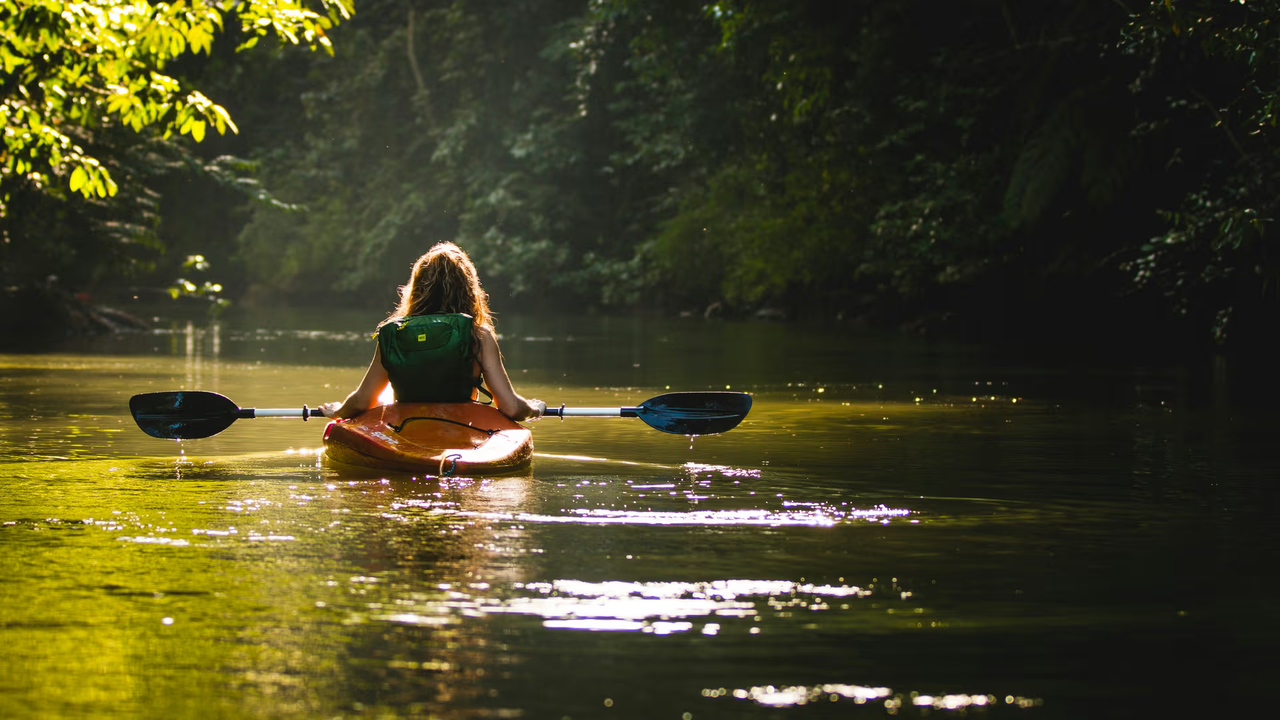
illennials and Gen Zs are mainly driving the increase in extreme travel experiences as they’re swapping low-effort holiday activities for high-energy and physically challenging experiences such as kayaking, scuba diving, canyoneering, motorsports and more.
This emerging trend comes from the global adventure tourism market, which is expected to grow rapidly over the next decade, with travel companies increasingly catering to the demand for challenge-based and extreme-sports-focused trips.
The adventure travel boom
Instead of spending time on sandy beaches, journaling, or enjoying a Spritz with a scenic view of the Swiss Alps, young travellers are booking trips that involve daring challenges, such as hiking, rafting, rock climbing, and marathons.
According to Grand View Research, the UK adventure tourism market is projected to grow to around $93.76 billion by 2030, representing an average annual growth rate of 18.2%.
The rise of performance travel, where challenge and thrill-seeking activities have become the new status symbol for these generations. This is because of the burnout culture experienced by young people. Their ‘live now’ attitudes are pushing them to seek extreme holiday activities that help them challenge and overcome their physical and mental limits.
Adventure tourism can be grouped into two types: ‘soft adventure’ and ‘hard adventure’. Soft adventure covers easier, low-risk activities like walking, cycling, and wildlife trips.
Whereas hard adventure includes more extreme and physically demanding activities such as climbing mountains, scuba diving, and paragliding.
For many young people, holidays are seen as opportunities for personal growth rather than simple relaxation, driven by social media, fitness culture, and the desire for memorable, shareable experiences.
Results from the 2026 travel adventure trend report show rising demand for both hard and soft adventure experiences. At the same time, there is growing consumer interest in customised holiday packages that offer more immersive and physically engaging experiences for young people.
Achievement-based travel
Adventure-based holidays now resemble a self-development journey, where relaxation is replaced by achievement and the success of a trip is judged by how much it contributes to personal progress. Young people are feeling the pressure to make their time off productive and meaningful.
The rise of wellness tourism, fitness retreats, and transformational experiences shows how modern travellers are expected to improve themselves even while on holiday.
Social media has intensified this pressure, as platforms such as Instagram and TikTok encourage young people to present carefully curated trips that appear adventurous, healthy, and meaningful.
They are increasingly looking for unique and less crowded destinations that feel authentic and offer a sense of discovery.
Sustainability is also playing a growing role, with more people choosing lower-carbon options such as domestic or regional trips and activities that rely on human power rather than long-distance flights.The growth of adventure travel, alongside changing travel preferences of young people, highlights a shift towards active, immersive, and often more physically demanding holidays that prioritise personal achievement over relaxation.
For young travellers, holidays are no longer about switching off, but pushing limits.