Have We Gone Numb?
Culture24 July 2026
AuthorDaisy Williams
Kate Moss' 1993 Vogue shoot sparked accusations of glamorising addiction. Three decades later, Clairo's intimate bedroom portraits were celebrated instead. What changed?
T
hemes of the mundane seem to be unavoidable in the media today. From Balenciaga’s obscure campaigns, showing models inside plastic bags, or sat on abandoned sofas in the street, to TikTok and the glamorization of mental health disorders shown through girls creating their personalities around relating to Lana Del Rey's song lyrics and The Bell Jar. We have become numb, and this can be seen in the cultural responses to photography in the 90s and today (I will be comparing an American Vogue shoot with Kate Moss from he 90s, and a recent edition of The Face magazine starring Clairo). Has our modern society began to normalise the suffering that we feel, or are these photoshoots are just a form of expression to show the authentic struggles within the coming-of-age time in our lives?
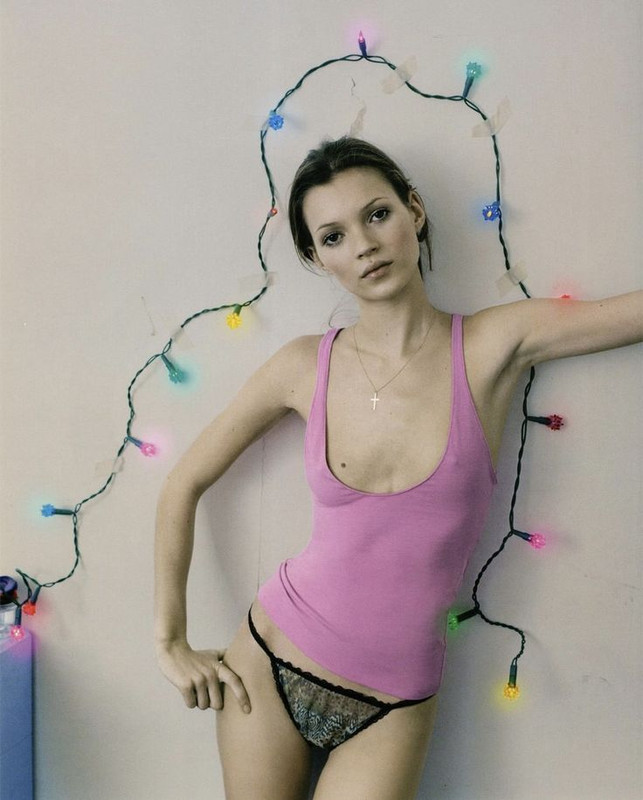
The start of the glamorisation of issues such as depression, eating disorders and drug abuse in fashion magazines arguably started in the 90’s, when the supermodel Kate Moss started becoming unavoidable in adverts, runways and magazines. The controversy came from a lingerie shoot starring Kate Moss produced by American Vogue in 1993- the photographer behind this photoshoot was Corinne Day who had also worked with Kate for multiple issues of ‘The Face’ magazine, and is known for the cover shoot that started her career. ‘Underexposed’ (the title of the Vogue shoot) shows Moss in revealing clothes, such as a sheer bra top, or no bottoms, with each shot showing her vacant facial expression, which has suggestions of depression or drug abuse. The shot was criticised in the media, such as the Daily Mail writing an article called “Why Vogue’s lolita shoot is a photograph too far”, and even causing the President of the US to make the statement “you do not need to glamourise addiction to sell clothes”.
The nostalgic fairlights, colourful pastel tones and Kate's skinny figure, which some journalists considered undeveloped, is what led to the ‘lolita’ accusations, due to sexualisation of adolescents, a time which is high in rates of eating disorders in young girls and other mental health related issues.
The heavy use of colours also romanticise the mundane themes of the shoot, causing us viewers to see her isolation through a bright and colourful lens, which ends up normalising rotting away in your room without any mental stimulation. However, was this photoshoot as dangerous as the media made it out to be, or is it a way for Day and Moss to express their emotions through image?
Day said “fashion magazines had been selling sex and glamour for far too long”- Gorman, P. (2017)-, and therefore ‘Underexposed’ and her other shoots are a way to make the fashion world accessible to any class groups. Before, a young girl might have never dreamt of being a supermodel dressed in couture on the front page of vogue, however Day’s shoot opened up the world of high end fashion to anyone who could relate to Kate and her emotions, rather than just her outfit; the stylist on the shoot -Cathy Kasterine, (2024)- described it as “very normal. She’s just a teenage girl in her bedroom”
A modern example of a mundane bedroom-based photoshoot can be found in The Face (Spring 2025)- it was created by the American photographer Bella Newman, who has worked in the profession since aged 17. She worked with the singer Clairo who was interviewed about different struggles within her career and personal life.
The shoot involves multiple scenes within a bedroom setting, some showing Clairo in comfortable ordinary lounge wear, and others showing her in more revealing clothes and underwear which is similar to the exposure that Kate was in for ‘Underexposed’. Clairo’s facial expression in the photo where she is self-soothing has a melancholy look, as if she is stressed, or even dissociating which could reflect the heavy mental health topics which she talks about in her interview, such as her suicide attempt.
What could be argued as ‘glamorising’ and ‘aestheticising’ these controversial topics is Clairo's beauty- despite looking sorrowful, she is made up with natural makeup, emphasising her eyes and lips; a look that could only be achieved through a large team made up of stylists, make-up professionals, set designers, hair stylists and final photoshop editing (however Clario is a very naturally beautiful person without being made up).
The glowing light, warm tones and feminine pink silk sheet all add onto the romanticisation of something as simple and common as a girls bedroom, a place where we go to unwind and reflect after a difficult day. However, this could make the image aspirational for teenage girls who relate to the feelings that are being portrayed, leading them to spiral deeper into depression because it is being presented as beautiful through this shoot.
There has been no controversy around Clairos shoot- the Instagram comments under Bella’s post read “such a good shoot”, “These are beautifulll” and “absolutely killed” - Instagram (2025)- which contrasts to the response to Corinne Day’s shoot with multiple accusations of normalising ‘heroin chic’ and eating disorders.
Was this difference in response because we have normalised these raw and realistic photoshoots, or is it due to the publication where they were produced?
Vogue is known for showcasing high end fashion, targeted towards a demographic with a very high disposable income, and therefore their intended audience couldn’t relate to Days stripped back and bare photos, viewing it as different from their lifestyle and therefore causing them to miss the meaning and inclusivity behind the shoot and instead associating with drug abuse and glamorisation of suffering.
The style of photography that Day used was not new- Nan Goldin, another American female photographer, had been capturing moments in her life with her friends which showed drug use, risque nudes and emotions which seem to hold a physical weight on the subjects since the 1970’s.
Her work has been praised largely, being displayed in multiple museums such as the V&A and the Museum of Modern Art- Dazed say “By seeing the beauty in America’s tragic wastelands, she paved the way for photographers like Corinne Day [...]”- McCord b. Dazed (2017).
Her work was viewed as one of the most honest forms of documentary photography for the time, which is one of the mistakes that Vogue made for Corinne’s photoshoot- Vogue’s focus on fashion, as well as using Kate Moss causes this shoot to fall under the category of high end fashion photography, however Day’s style, which leans more into documentary photography, doesn’t fit with the brands image (especially during the 90’s where the fashion world was less inclusive that it is now).
If ‘Underexposed’ had been published in The Face then it would have been praised because, despite being a fashion magazine, it largely focuses on youth culture within Britain, showcasing new and emerging talent rather than high end brands that have existed for decades, as well as representing the struggles and honest lives of all classes around the country.
The brand of The Face is largely the reason that Newmans shoot has received no controversy; images using melancholic themes and showing the sexuality of the models isn’t rare for the magazine and adds to their honest presentation of real lives behind celebrities.
Another reason is the difference in time period- mental health isn’t as much of a taboo topic nowadays which could be why Clario had the confidence to talk about her struggles and express her emotions through her modeling.
Kate Moss continues to deny any eating disorder and drug allegations; her comment on the shoot “I think because I was just skinny and people weren’t used to seeing skinny”compared to her famous quote “nothing tastes as good as skinny feels” causes her to contradict herself, leaving teenage girls to be confused to if her body looks the way it does due to natural genetics, or if they can achieve the same figure through strict dieting.
The emotions that Clario is representing are proven to be honest through her song lyrics and the interview and therefore her fans know that this shoot isn’t a facade, and just another form of expression for her.
The readers know that it is not Clario’s or Bella’s intent to promote unrealistic body standards for women because of how her song “Blouse” in mentioned within the article, which discusses sexism within the music industry and how sometimes she feels she can only succeed if she gives into the men who are “too busy looking down [her] blouse”
Perhaps the biggest difference isn't the photographs themselves but the people looking at them. Corinne Day and Bella Newman both photographed young women in moments of vulnerability, yet one was accused of glamourising suffering while the other was praised for authenticity. As conversations around mental health have become more open and fashion has embraced a less polished aesthetic, images that once caused outrage now feel strangely familiar. Whether that's evidence of progress or proof we've become desensitised remains an open question.