The Blitz Kids: How a Covent Garden Nightclub Built the New Romantics
Culture30 August 2026
AuthorNaz Sakici
Inside the Covent Garden nightclub where the Blitz Kids turned fashion, music and self-expression into the New Romantic movement.
F
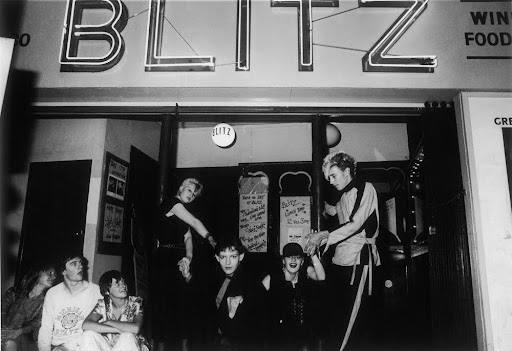
ashion, art, drugs, music and all forms of hedonism could be found on a Tuesday night at one of 1980s London's hottest destinations: the Blitz. Hidden away in Covent Garden, the nightclub became the creative playground of the Blitz Kids, a generation of young artists, musicians and designers whose extravagant self-expression helped give rise to the New Romantic movement.
Founded by Visage band members, nightclub promoter Steve Strange and DJ Rusty Egan, at the beloved district of West end, the club itself only ran for around eighteen months. Regardless of its short-lived duration, the Blitz continued its legacy through the people and the culture it impacted.
More than just a nightclub, the Blitz paved the way for many up-and-coming artists of the time such as Princess Julia, Sade, Michele Clapton, and so many others. From the DJs to fashion designers, musicians to artists, London creatives gathered there to not only get entertained, but also build a community with like-minded people. Among them was a group of flamboyantly dressed regulars who became known as the Blitz Kids, the faces of a scene that would soon develop into the New Romantic movement.
Who Were the Blitz Kids?
Most of them had working-class backgrounds and came from the 70s punk scene. They adapted the do-it-yourself aspect of punk with a new more colourful and theatrical twist which was inspired by the glam rock era and the art of cabaret, considering the club as the origin of New Romantics subculture that challenged gender norms with bold makeup and outfits which rejected the nihilistic elements of punk.
With the political climate of the time, Thatcher being re-elected, and economic depression, the Blitz Kids used their self expressive style as a form of rebellion and hedonism as way to run away from the darkness of it all. According to curator Danille Thom, fashion was a device for escapism for the people at the club. Their outfits were more than just clothing, they were a form of art, a way to go against the norm. Consequently, the Blitz also became a sanctuary for the queer community of London with its people being open-minded towards subjects that were considered ‘taboo’ of the time.
Why Was the Blitz Club So Exclusive?
Thus, they were quite careful of who they were letting into the club. Host Steve Strange would be at the front door showing a mirror to the ones who did not get in and ask them ‘‘would you let yourself in?’’. For Strange the Blitz was a place for creatives and he wanted everyone inside to look like ‘‘a walking piece of art’’. This dress code even led to the famous story of how The Rolling Stones’ lead singer Mick Jagger was turned away at the door of the Blitz by Strange himself because of his clothing.
The Blitz was more than just a club in the West End. For many creatives it became a sweet escape in a climate that seemed so dark for countless people. Even though the club only ran for a short amount of time, the influence it had on popular culture continues to live on for decades.