“Who Cares If I’m Pretty If I Fail My Finals?”: Romanticising Academia in Gilmore Girls
Film & TV12 September 2026
AuthorAlexandra Hill
The 00s coming-of-age comedy drama shows that finding beauty in the academic mundane remains a mixed blessing more than 25 years on.
A
h, autumn. The sticky heat has finally melted into rain and blustery winds carrying the crunch of fallen leaves underfoot, and for students heading back to school or starting out at university this September, rewatching comedy drama series Gilmore Girls (2000-2007) for the umpteenth time has become a weird form of cosy escapism.
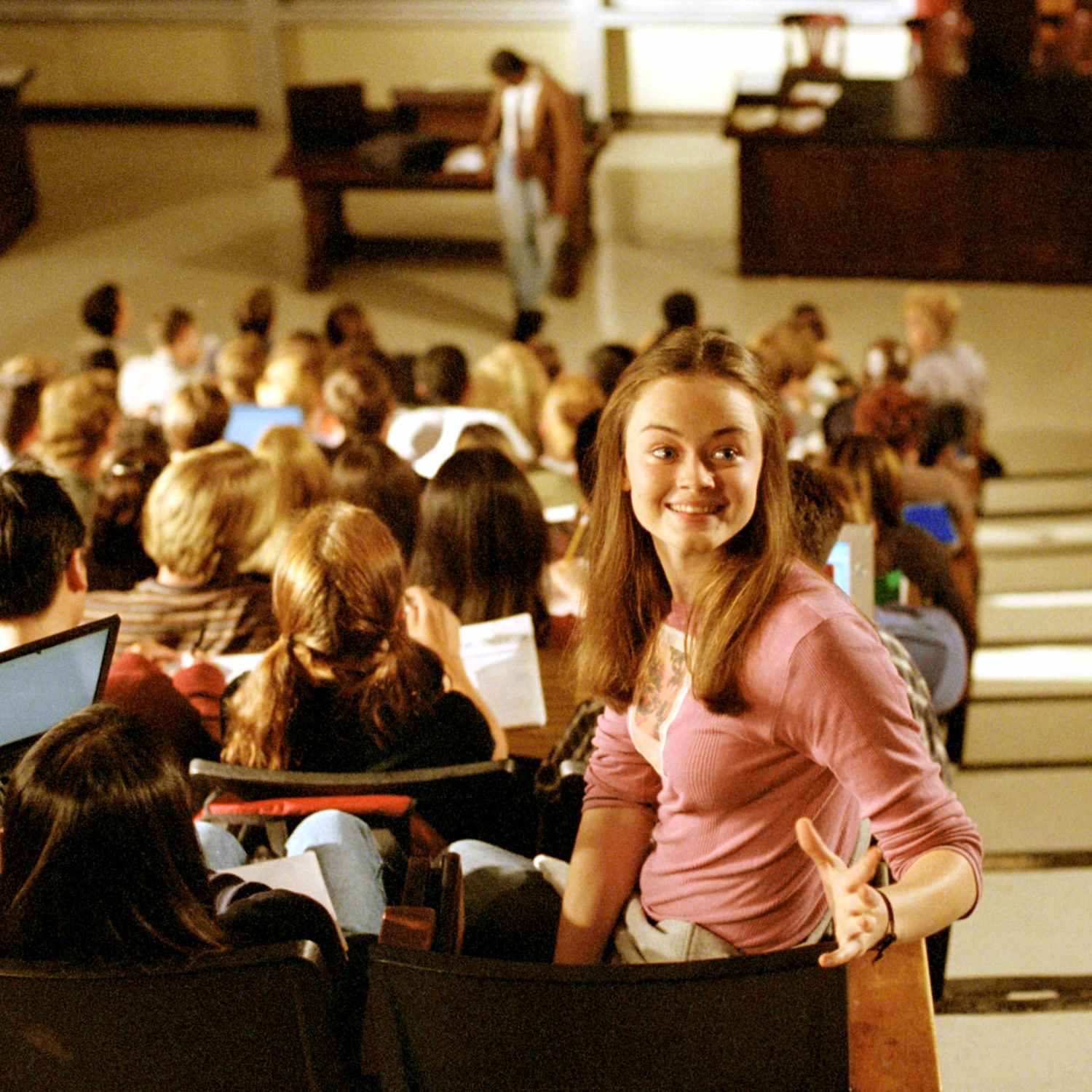
I’ve often asked why we jump from the stress of school life into Rory Gilmore’s (Alexis Bledel) romanticised world of academia in season one, as the bookish small-town student transfers to the snooty private school Chilton.
The other titular Gilmore girl is Lorelai (lauren Graham), a caffeine junkie inn manager, who shares a more sisterly relationship with her daughter Rory than anything particularly parental, especially considering their only 16-year age gap. During its seven seasons, the show follows how this unconventional mother-daughter relationship navigates the mishaps of everyday life in the fictional town of Stars Hollow, Connecticut.
While Gilmore Girls offers an injection of noughties nostalgia mixed with a heavy dose of caffeine, it’s hard to argue that academia alone drives us each autumn back to the show, which last year celebrated its 25th anniversary at the “A Weekend in Stars Hollow” event, with tickets selling out almost immediately.
But within our trend-infested world lies academic romanticisation, or the “dark academia” aesthetic as it came to be known during the pandemic, when distance learning safely locked us away from the hallowed halls of an academic institution.
And for a society longing to touch some grass and maybe even feel a sense of community outside of their bedroom, Rory Gilmore quickly became the pinnacle of the academic romanticisation phenomenon, ever since she famously quipped: “Who cares if I’m pretty if I fail my finals?!”.
The gag, inevitably, is that the young Alexis Bledel totally fit the 00s beauty standard for a girl in her late teens: slender, minimal makeup, boy-literate, and ate whatever her heart desired without gaining a pound (more on that later).
That said, the pandemic alone wasn’t responsible for academic romanticisation. Hustle culture has defined the last decade, be that through posting a “come-with-me” video about joining the 5am club or by productivity-maxxing after scrolling past another hyper-masculine podcast clip. The feeling that you’re not doing enough is palpable.
It wasn’t as if Rory didn’t work hard. Much of her spare time was spent reading on buses, consulting her sprawling paperwork on a table at Luke’s Diner, or cramming in late-night study sessions with her frenemy Paris (who, side note, dedicated herself so much to making it into Harvard that when she received her rejection letter, she mentally unravelled).
But despite portraying Lorelai as a working-class mom, Gilmore Girls also gave Rory an infinite money pot through her grandparents, making her access to academic resources like stationery, uniform, and even networking events far easier and unrealistic than the show lets on.
Is consumerism, then, the answer? From the yearly pencil case update and buying ridiculous expensive “minimalist” stationery (thanks, Muji), to titling your page on a horribly traumatic historical event in pastel-highlighter cursive, modern influencers and “study-with-me” YouTube channels similarly showcase their product-filled study setups — often without having paid for all of those products themselves.
Of course, a 00s Rory was not the OG academic influencer. But before her Yale debacle, she was another journo “it-girl” of the time, especially with her effortless beauty and bottomless stomach, the latter speaking to another element of academic romanticisation.
A low effort “girl dinner” is a fun way to show off the random assortment of bites and snacks you have left at home, but it also reflects rising food prices, which hit students particularly hard. It’s no wonder a cake or pastry is considered a sweet “treat”, and not a sweet “affordable snack”.
“Girl dinner” similarly echoes in the re-emergence of “thin-is-in”, with small, manageable bites showing discipline and glorified under-consumption. One of my favourite parts of watching Gilmore Girls is observing how many times the two push their meal around their plate while at pains to satisfy their infinite hunger for junk food—all while remaining perfectly 00s proportionate.
Besides, who has time to eat when you’re always studying? We often forget the darker side of academic romanticisation, spending late winter nights cramming in a drafty university library, fuelled on nothing but caffeine and the existential dread of failing. But after all, we’ve dubbed this “dark academia”, because if we can’t find the beauty in it then who can?
From hustle culture to girl dinner to influencer-fuelled consumerism, perhaps the real reason I return each autumn to Gilmore Girls is the need to turn my brain off for an hour or two. But looking at academia through rose-tinted glasses is a mixed blessing: it shows there is beauty in the mundane, but only when you don’t mentally unravel through exhaustive overworking. Sorry, Paris.