Nonna Maxxing, Savoury Girls and Food as Aesthetics
Culture19 August 2026
AuthorFaraday Gamble
From TikTok Nonnas to Savoury Girls and Girl Dinners, food has become the internet's favourite personality trait, and it says a whole lot about the world we're living in.
T
here have long been trends in food, from the whipped coffees of the pandemic to the viral three ingredient cheesecake, but recently food has taken on aesthetic and virality in a new way.
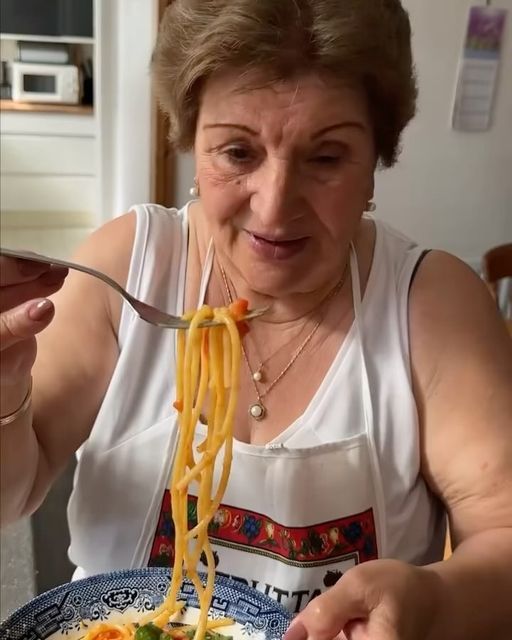
‘Nonna Maxxing’ has exploded on the likes of TikTok, an aesthetic that moves away from screens and hustle culture for the slow, kitchen focused life of a stereotypical Italian Grandma. ‘Savoury Girls’ and their snack plates flood the feed in between this, their food tastes a personality trait: a penchant for crisps, cocktail garnishes and martinis as a definer of their personhood. Off the back of the home baked trad wife and the beaded sardine bags from Anthropologie, it’s safe to say that food is no longer just food.
Wellness and food culture
Clean eating and health are a discourse as old as time. Once we had Slimming World, the demonisation of Bananas and the fat free yoghurts stocking supermarket shelves. Now, our obsession with clean eating and whole food diets pushes avocado toast, açai bowls and Pilates. Salads are ‘superfoods’ and everyone is snacking on Chia pudding in Alo yoga sets. Or they’re on their homestead, hand milking cows and painstakingly crafting homemade pasta for their children a la Nara Smith and the cult of trad wives. They homemake fruit winders and keep a kitchen that looks straight from a Nancy Meyers movie.
And whilst this obsessive food culture and trad wife style may seem removed from the pasta and wine of the Nonna, it couldn’t be closer.
The blue zone and the blueprint
The blue zone diet is arguably the original clean diet, just without the foolish and unfounded influence of modern diet culture and our casual glamorisation of restrictive eating and eating-disorder behaviours, prioritising fresh ingredients, home cooked meals, inherited recipes and an emphasis on seasonal vegetables. Paired with the decentring of screens, hustle culture and city living, the lifestyle of ‘Nonna maxxing’ seems to go hand in hand with the trad wife- just with added alcohol.
Arguably, the growth of food as a status symbol, diets as a form of luxury and fresh produce this season's newest accessory, is all down to the cost of living crisis and global recession. Nonna Maxxing may only stick around for a short time, but it is a link in a very long line of cultural and food trends that have bled into our hobbies, clothes and past-times.
And maybe it’s emblematic of a bigger issue, of dissatisfaction with our convenience culture dominated lives and rampant hustle culture. Maybe it really is time we embrace food as fun and luxurious, and maybe we do need to slow down a little.
Moreover, it creates an aesthetic of food, threading status and luxury through our meals and our weekly grocery shopping as organic, fresh or home grown produce is pedestalize. In a society where people struggle to even afford the basics of their food shop, and time seems luxurious in itself, the indulgent snack plates of the Savoury Girl and the labour of love focaccias of the Nonna are inaccessible, elevated to the status of luxury.
We have also begun to see a Idealisation of the restriction and indulgence inherent in the Girl Dinner. A phenomenon used to describe the whacky and sometimes scant meals women in their early 20s prepare for themselves, the Girl Dinner has taken on cult status. But it has also been co-opted to trivialise and glamourise restriction and disordered eating. Once synonymous with bursting plates of crudités, crisps and cheeses, the trend has come to signify bird-like portions and the forced fragility of women, and the growing pressure to make thinness synonymous with health, beauty and self-control — pressures reflected in the growing popularity of GLP-1 drugs such as Ozempic.
Expense and inaccessibility
Like hand made bread and farm shop dairy, these weight loss drugs are expensive and inaccessible to others, further opening the chasm between food and aesthetic luxury. Wellness and thinness are to be bought, but their price is high, a bad diet or simply an affordable diet is an aesthetic and personal failure as much as it is a societal one. No longer is emphasis put on nutrition and education but visuals and expense, bleeding back into our societal notions of health and the inaccessibility of basic necessities.
Arguably, the growth of food as a status symbol, diets as a form of luxury and fresh produce this season's newest accessory, is all down to the cost of living crisis and global recession. Nonna Maxxing may only stick around for a short time, but it is a link in a very long line of cultural and food trends that have bled into our hobbies, clothes and past-times.
And maybe it’s emblematic of a bigger issue, of dissatisfaction with our convenience culture dominated lives and rampant hustle culture. Maybe it really is time we embrace food as fun and luxurious, and maybe we do need to slow down a little.
If you or someone you know is struggling with body image, disordered eating, or an eating disorder, support is available. Beat is the UK's eating disorder charity and offers information, support and a helpline.