No Longer Human: A Timeless Tale of Alienation
Culture28 August 2026
AuthorTya Mireya
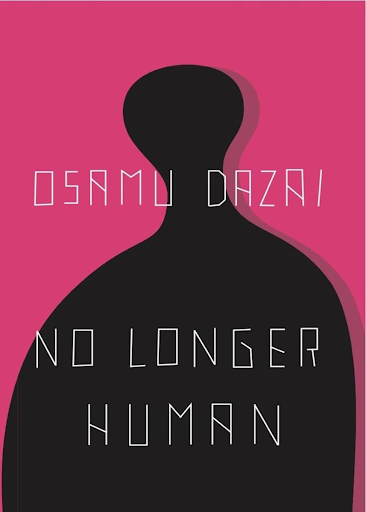
PhotosCover Designer: Rodrigo Corral
What does it mean to be human when you can no longer recognise yourself? Osamu Dazai's No Longer Human is a masterclass in alienation.
F
ew novels capture the suffocating weight of alienation as viscerally as Osamu Dazai’s No Longer Human. Originally published in 1948, the novel follows Yozo Oba, a man who spends his life performing happiness while drowning in the emptiness of his own existence. Dazai’s semi-autobiographical work doesn’t just depict alienation — it embodies it, leaving readers to grapple with the haunting question: What does it mean to be human when you can no longer recognise yourself?
What Is No Longer Human About?
This book has allowed me to explore the emotional experience of alienation, where Yozo Oba’s inability to connect with others becomes a metaphor for the human condition itself. Through a first-person narrative, Dazai immerses the reader in Yozo’s fragmented psyche, using literary devices like symbolism and irony to underscore the novel’s themes. Yozo’s personality and self-destructive tendencies critique societal expectations, while the recurring structure of the story reinforces the inescapable nature of his isolation — as if hopelessness is seared into his blood.
The Meaning Behind No Longer Human's Alienation
What makes No Longer Human so compelling is Dazai’s unflinching honesty. The story reads like a diary, pulling you into Yozo’s mind with raw, unfiltered prose that lands like a gut-punch. The way the narrative is framed, as if someone is stumbling across a personal journal, creates a sense of detachment, as though his suffering belongs to someone else entirely. Yozo’s struggle with faith mirrors his struggle with life: he can believe in hell, but heaven feels impossible to grasp, a sentiment that resonates deeply with anyone who’s felt abandoned by hope. His art, his attempt at being real, only highlights how far he is from truly connecting with anyone. It’s not just a story of suffering; it’s one that lingers, making you wonder how many people you know are hiding the same quiet despair behind a mask of conformity.
Is No Longer Human Based On A True Story?
The unsettling power of No Longer Human lies not only in its raw depiction of alienation but in the knowledge that Dazai drew these experiences from his own life. Each page feels like a piece of his truth, an unfiltered glimpse into his battles with mental illness, addiction, and the crushing weight of existence. The novel moves beyond fiction, becoming far more intimate, where the boundary between art and confession dissolves. Yozo’s story stops being just a narrative; instead it feels like a heartbreaking resonance of Dazai’s own journey.
Why No Longer Human Still Resonates Today
In a world that rewards performance over authenticity, No Longer Human feels less like a story from another time and more like a wound that never quite heals. We live in an era where loneliness hides in plain sight, behind perfectly angled photographs, the curated highlight reels of our lives. But Yozo's struggle isn't just about being real. His unravelling isn't just confined to the page; it stays in the corners of our own lives. The book doesn't just offer answers, but it does something just as important. It gives voice to the silence, and to the exhausting performance of authenticity we all put on. It reminds us that the faces we present, whether for social media, societal expectations, or even just getting through the day — aren't just shields. They're cages. The scariest part is we might not even realise we're wearing them.
If you haven’t yet read this novel, prepare for a journey that will change how you see the world — and perhaps even yourself. This isn’t just a book; it’s an experience that sharpens your senses, leaving you with a newfound awareness of the silent struggles carried by those around you. Once you’ve turned the last page, you won’t look at life (or at people) the same way again.