The Horror Classics Behind MUBI’s Camp Miasma Halloween Sleepover
Film & TV16 September 2026
AuthorCharlie Kendellen
PhotosMUBI
From Videodrome to Hellraiser, MUBI’s Camp Miasma Halloween collection traces the horror classics that share the film’s language of desire, terror and deliciously warped nostalgia.
J
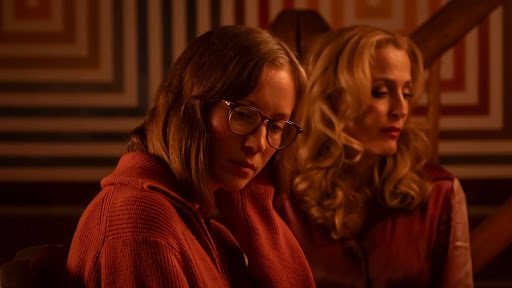
ane Schoenbrun’s Teenage Sex and Death at Camp Miasma has had a successful theatrical run, solidifying Schoenbrun’s status as a genre auteur. In honour of the film coming exclusively to MUBI in October, MUBI has rounded up the Dusk ’Till Dawn: The Camp Miasma Halloween Sleepover collection, featuring horror classics that exist in the same vein of Camp Miasma – making a statement on unconventional desire, terror, and 1980s nostalgia.
Teenage Sex and Death at Camp Miasma is littered with visual homage to many horror classics; including the Friday the 13th films, The Burning (1981), Sleepaway Camp (1983), among many others. But MUBI refrains from selecting the obvious choices, and instead opts for films that share the same visual language and aesthetics of Camp Miasma.
The films included in the collection feature some of the most revered exercises in the genre, familiar favourites, and some underseen gems.
Daughters of Darkness (1971)
Eroticism meets vampirism in Daughters of Darkness – a decadent romp of early queer horror cinema. Similar to Camp Miasma, it offers up musings on queerness, sex, and identity. This film goes criminally underrated and remains a beautifully textured and complex film that would make for an exhilarating double-feature with Camp Miasma.
The Thing (1982)
One of John Carpenter’s most beloved films, The Thing, has left its print on popular culture. Championing practical effects and body horror that miraculously still holds up to today’s standards, The Thing is undoubtedly a masterclass in horror, and one of Carpenter’s best. The colour palette and the usage of sets sit well alongside Camp Miasma, and will certainly satiate the appetites of those looking for that retro feel of Schoenbrun’s film.
Videodrome (1983)
David Cronenberg’s Videodrome is remarkably ahead of its time. Single-handedly predicting the future of mass violence and gore content being integrated into our culture (or has it always been this way?). Cronenberg proposes nuanced meditations on pornography, violence, and the total intersection of the two. Death to Videodrome. Long live the new flesh.
Re-Animator (1985)
Yet another psychosexual entry in to this collection, the visual parallels to Camp Miasma are clear – meticulous attention to old-school practical effects, an unrelenting showcase of camp culture, and meaningful commentary on gender and sex.Hellraiser (1987)
Hellraiser, written and directed by Clive Barker, and based on the novella The Hellbound Heart, also written by Barker, is a product of cast and crew members being creatively and thematically on the same page. Blending hedonism, body horror, and taboo female desire, Hellraiser lives up to its reputation as a masterpiece. Once again utilising practical effects, Barker is a clear frame of reference for Schoenbrun in Camp Miasma. Without giving any crucial plot details away, both films share masterful depictions of sexual agency, desire, and taboo notions of sex and horror.
The House of the Devil (2009)
The House of the Devil is the film responsible for putting Ti West on the map. It was shot on gorgeous 16 mm film, offering up homage to 1970s-80s horror cinema. Like Camp Miasma, the film takes tropes from this era of horror and subverts them, making for a layered and nuanced watch.
Not only is this collection ideal for October double-features, but it places Camp Miasma alongside the horror greats, positioning it within an emerging canon of modern genre classics.