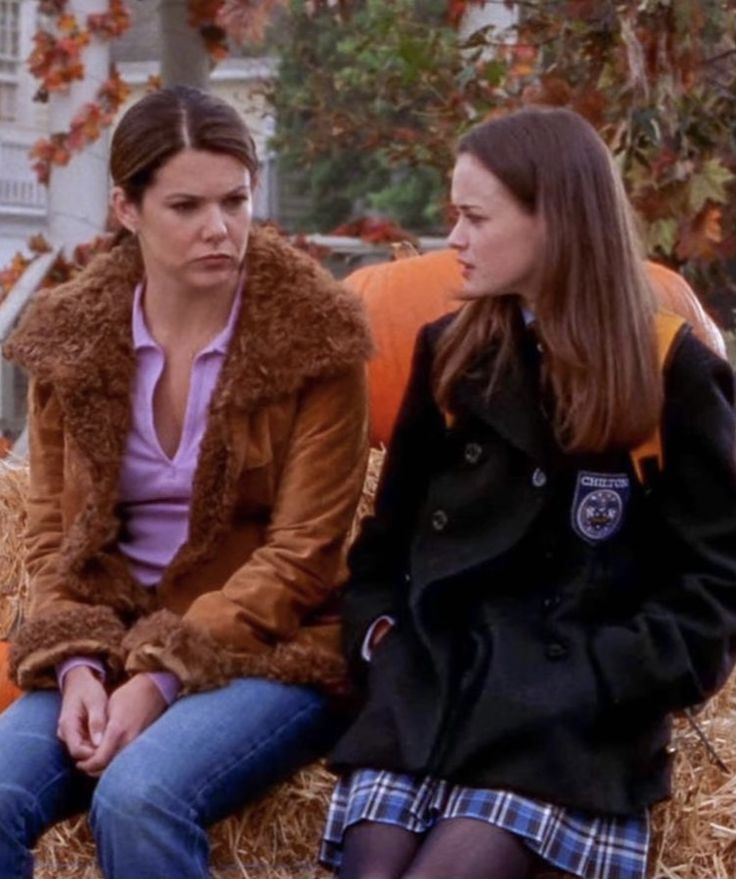
Unwanted Opinions: Do we want a relationship or are we just victims of cuffing season?

With temperatures dropping across the UK it can only mean one thing: cuffing season is upon us.
A
fter a short but sunny trip away, I stepped off the plane home with a newfound optimism – the kind that only comes from escaping England during the winter months. But it wasn’t long before I was hit with a sharp wind and temperatures colder than I remembered. It was a cruel reminder that winter had arrived.
As if this news wasn’t dreadful enough, I opened my TikTok app for a little escapism only to find three horrific words plastered across my screen: “IT’S CUFFING SEASON’”.
Growing in popularity around 2011, the term ‘cuffing season’ refers to the autumn and winter period in which people settle down into serious relationships or, as defined by Urban Dictionary, the months during which “people who would normally rather be single or promiscuous find themselves along with the rest of the world desiring to be ‘cuffed’ or ‘tied down’” by said relationship.
While the phrase first came about over 15 years ago, unlike other slang, this term stuck around. Every year, references to cuffing season return in the form of TikTok videos and Instagram reels, often with SZA’s 2022 SNL sketch song, ‘Big Boys’, playing in the background.
The novelty song about cuffing season has since become an annual, unironic anthem, with creators using the tune to remind us that the time to find a partner has arrived – or to flaunt their success in finding one.
For some, it’s a dreaded time of year – a reminder that they’ll be spending Christmas, New Year’s and Valentine’s Day single. For others, cuffing season is a time to take matters into their own hands: to lock someone down, at least until ‘hot girl summer’ rolls around once again.
But is there a psychological explanation behind the desire to settle down every winter or are we all just victims of the cuffing season propaganda?
Relationship, sex and dating therapist, Georgina Vass, explains that the media we consume around this time of year could play a part in this desire to find a seasonal partner.
“There is an abundance of winter-themed romance in media which may influence viewers' expectations of romantic relationships during the season, and colder weather can increase the appeal of romantic connection.”
She explains, then, that the concept of cuffing season “neatly captures relatable and recurring ideas around dating motivations and relationship expectations during the winter months that are reinforced in easily accessible media through our screens.”
Georgina goes on to explain exactly how the cold and dark months can leave us feeling disconnected.
She says that, while humans don’t have a fixed mating season, “winters can reduce daylight exposure, disrupt circadian rhythms [otherwise known as our body clocks] and impact mood or energy for some people.
“Less time outdoors and fewer social interactions can increase feelings of isolation. These factors could make some people seek comfort, intimacy or companionship through romance.”
Perhaps we shouldn’t be too hard on ourselves when the Sunday blues hit a little harder than usual. As winter creeps in and couples’ public displays of affection inevitably increase, try to remember this: maybe you’re not experiencing a moment of romantic existentialism. Maybe you’re actually just a little bit cold.