Going Viral Is One Thing. Building a Music Career Is Another.
MusicMusic20 October 2026
AuthorMegan Harms
PhotosJim Legxacy, photo by Fidel
From Skye Newman to Jim Legxacy, breaking through takes more than a viral moment. What turns online attention into a lasting music career?
I
n 2026 we have seen the development of acoustic and organic pivots. Production and curation trends across 2026 show a strong listener shift toward organic sounds, acoustic compositions and intimate production values as a counterbalance to hyper-processed pop and synthetic tracks. This shows how the music industry is changing and moulding to fit the expectations of new breakout artists.
In that sense, what does “breaking out” really mean in 2026, and are the traditional roles within the industry changing?
From an artist’s point of view, breaking out means moving from being an unknown or local artist to gaining widespread public recognition, commercial success and industry attention. This can involve global visibility, a hit release that reaches new audiences, chart success or a viral moment. It can also mean attracting booking agents, playlist editors, major blogs and record labels. This also allows them to gain the financial and creative freedom to make music on their own terms.
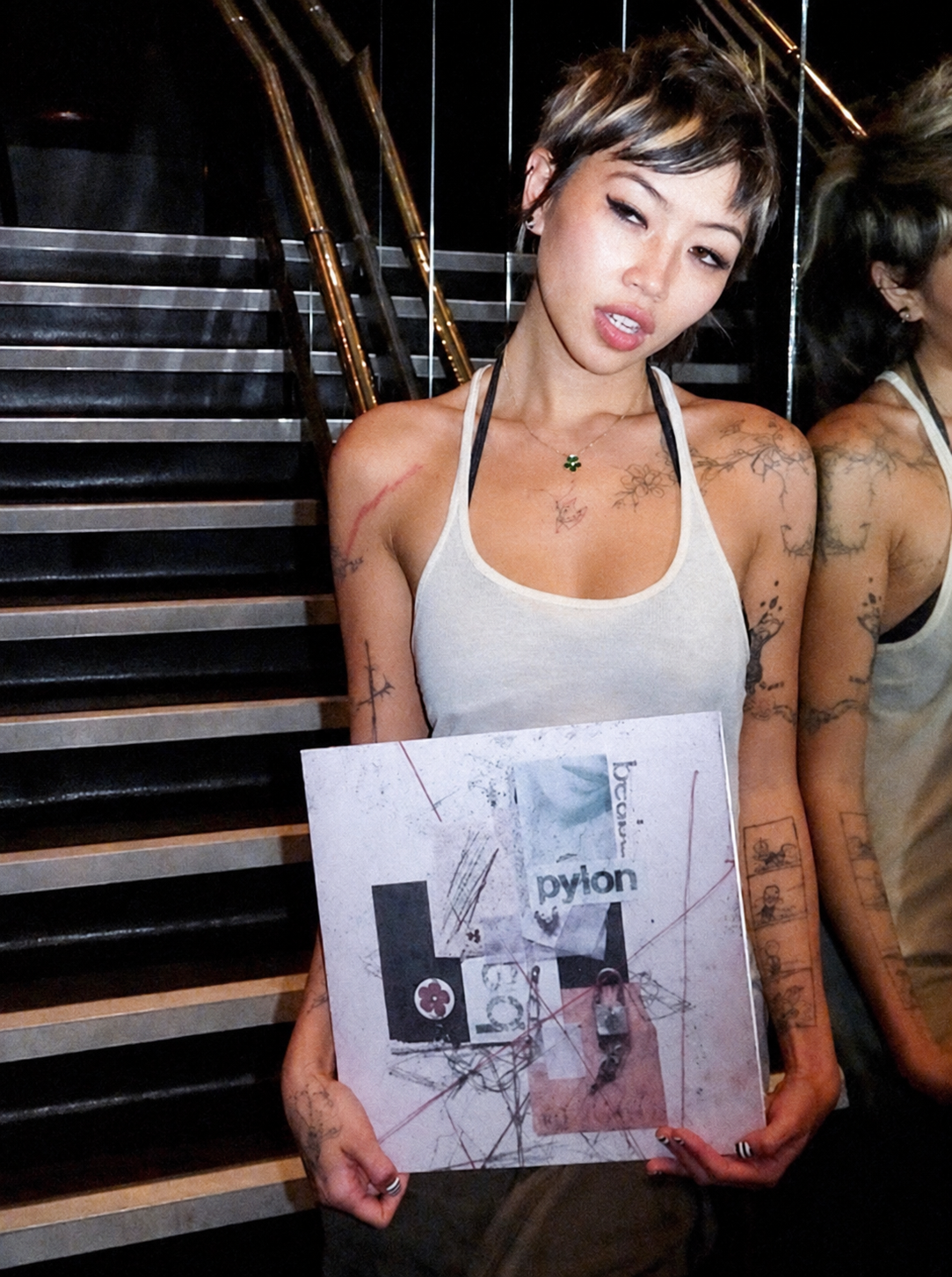
This year, we have seen artists such as British R&B singer-songwriter Skye Newman, whose single ‘Walk’ peaked at number 48 on the UK Singles Chart in 2026, spending five weeks on the chart, while her follow-up ‘Man of the House’ reached number 84 on the midweek Official Singles Chart Update in 2026. Skye Newman also placed first in BBC Radio 1 Sound of 2026.
Sienna Spiro, the British pop-soul singer-songwriter, became a major breakout star through her viral hit single ‘Die on This Hill’, which reached number 9 on the UK Singles Chart in 2026, and debut album ‘Visitor’, which reached number 2 that year. British rapper, singer-songwriter and producer Jim Legxacy, who placed second in BBC Radio 1 Sound of 2026, was driven by his single ‘Father’, which peaked at number 12 on the Official Independent Singles Breakers Chart in 2025.
{Image Carousel}
So, what do these artists have in common, and what constitutes their ‘breakout’ moment?
Newman, Spiro and Legxacy represent a new generation of British music. Although they operate in distinct sonic lanes, their mainstream breakthroughs have been defined by chart success, visual storytelling, online audiences and critical recognition.
Skye Newman’s breakout has been shaped by vulnerable autobiographical songwriting and growing industry recognition. Sienna Spiro’s rise has been driven by her piano-led sound combined with a strong TikTok presence. Jim Legxacy, meanwhile, has built a reputation as a genre-defying artist and producer, creating an innovative approach to modern rap and R&B.
Traditionally, the route into the music industry for a singer-songwriter involved building a local live following, recording demos, securing a publishing or record deal and working with industry professionals to develop a career. In recent years, however, these routes have shifted. Artists can now self-publish music and build audiences directly through social media and streaming platforms. Algorithms and viral moments on TikTok and Instagram have become important ways for new talent to gain attention alongside radio, press and traditional industry development.
The modern breakout artist therefore is no longer completely dependent on one industry professional discovering them. Instead, artists can create their own momentum through consistent content, collaboration and direct fan engagement.
Consistent content has become increasingly important. Rather than waiting years between projects, artists can release music, videos, performances and other content regularly. This does not necessarily mean constantly releasing finished music but maintaining a presence that gives audiences a reason to return.
Digital platforms reward active creators, meaning that staying visible can be almost as important as producing one major release.
Collaboration has also become a major part of breaking through. Working with musicians, producers and other artists allows artists to experiment creatively while introducing their music to completely different audiences. In a digital environment where fanbases overlap across genres and platforms, one collaboration can expose an artist to listeners who may never have discovered them otherwise.
Direct fan engagement has also changed the relationship between artists and audiences. Social media and streaming services allow artists to communicate with fans, build communities and create a sense of connection without relying entirely on traditional gatekeepers. The relationship between artist and fan can therefore become part of an artist’s career itself. They are not simply releasing music for an audience; they are building an audience around themselves.
Does this mean tradition is out and viral moments are in?
Although it may seem like traditional development is disappearing and viral moments now rule the industry, the reality is much more complicated. The music industry is experiencing viral fatigue. We see this through the Ditto Music artist survey (2026).
A comprehensive study was conducted by music distributor Ditto Music who surveyed over 2,000 artists and music professionals within Ditto’s global community. The survey found that 86% of artists had experienced significant mental strain at some point in their musical careers, while 67% said social media harmed their mental well-being.
Foundational values such as touring, strong songwriting and genuine fan communities remain important. A viral moment can create attention, but sustaining a career requires an artist to turn that attention into long-term listeners, supporters and opportunities.
The modern breakout is therefore less about choosing between the traditional industry and the digital world, and more about understanding how the two can work together. An artist can build an audience independently online while still benefiting from the infrastructure of labels, publishers, booking agents, radio and live music.
If the way artists break through is changing, then the music itself is changing alongside it. For example, there are algorithmic and waterfall strategies. This is when independent artists release singles in a four- to six-week cadence to compound stream counts, hit a 20% plus save rate target on platforms like Spotify and trigger algorithmic playlist notifications. This is changing how music is released and consumed by replacing traditional, all-at-once album drops with a rolling sequence of singles.
One major development is genre-fluid music, with artists moving between styles without feeling restricted to one category. Rap, R&B, pop, electronic, rock and underground sounds can exist within the same project.
Streaming has made it easier for listeners to discover music outside traditional genre boundaries, giving artists greater freedom to experiment.
There is also a continued rise of UK underground rap. British rap has developed a diverse underground ecosystem. Platforms such as SoundCloud, TikTok and YouTube allow artists to build a loyal audience independently of mainstream industry support.
Another development is cross-medium storytelling. Music no longer exists entirely as an audio experience. Artists can build worlds through music videos, fashion, short-form content, visual art and social media. An album can become part of a wider creative identity, as blending genres helps artists differentiate themselves and attract audiences across multiple musical scenes.
Finally, we could see the growth of hyper-niche digital indie. Instead of trying to appeal to everyone, artists can cultivate dedicated online communities around specific sounds and aesthetics, prioritising sustained engagement over mass reach.
The future of breaking out may therefore not be about becoming famous to everyone. It could be about becoming deeply important to the right audience first and allowing that audience to grow.
In 2026, the definition of a breakout artist is increasingly difficult to separate from the digital world. Traditional industry structures still matter, but artists now have more tools to create, distribute, promote and build communities around their music independently. The breakout moment may still be a hit song, a viral video or a chart position, but the journey towards that moment is becoming more fluid, collaborative and artist-led.