Ariana Grande’s Petal: In Full Bloom or Wilting?
Music18 August 2026
AuthorAlicia McKoy
Ariana Grande's eighth album doesn't present a transformation, it documents the messy, bruised process of becoming someone more authentic.
A
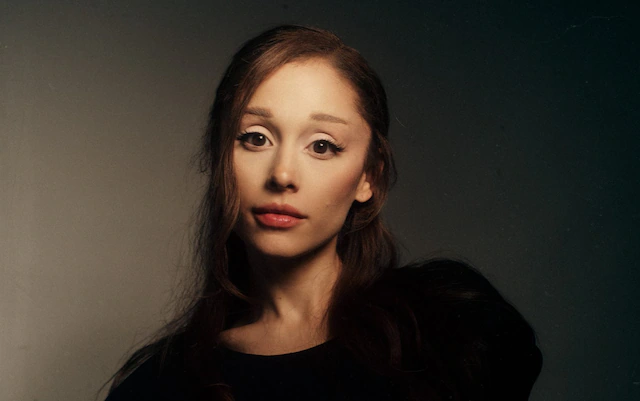
riana Grande’s eagerly awaited eighth studio album, Petal has arrived as a striking departure from the polished pop persona audiences have become accustomed to. From its flower-inspired production to its darker, more confrontational songwriting, the album presents a Grande who is less interested in maintaining an idealised image and more willing to confront the messier parts of herself.
Petal explores toxic love, unhealthy relationships, public scrutiny and the struggle to separate personal identity from the expectations imposed by others. It feels like Grande is escaping the idealised version of herself created across her previous albums and revealing something far more raw. But does Petal truly blossom, as its title suggests, or does it begin to wilt under the weight of its own expectations?
The opening track, “Kiss Me,” immediately establishes the album’s themes of judgement, freedom and self discovery. Grande reflects on how society has attempted to define her and how the scrutiny she has experienced continues to affect her. Rather than rejecting her past, she acknowledges how her mistakes have shaped who she is today. The lyric “Kiss me like you know this is goodbye” feels particularly significant, suggesting she is saying goodbye to an older version of herself, one shaped by expectations and the need to play a particular role.
The title track, “Petal,” introduces a darker side of Grande. Almost sinister in its delivery, the song is blunt and confrontational as she addresses the ways she has been perceived and judged throughout her career. The lyric “petal in the pavement” becomes one of the album’s most striking images. Flowers traditionally represent beauty and growth, while a petal pressed into pavement suggests something fragile surviving despite being crushed. Music becomes Grande’s source of survival. Despite everything she has faced, it remains something she can return to.
Grande also acknowledges the contradiction between her privilege and her pain. She recognises that her fame, success and wealth make it difficult to view herself solely as a victim, while still refusing to pretend these privileges erase her personal struggles. Her love life, in particular, has remained a constant source of public scrutiny, and “Petal” suggests she is increasingly aware of how difficult it is to separate her relationships from her public identity.
“Oh Well” captures another form of internal conflict. Grande attempts to uplift herself while simultaneously wrestling with negative thoughts. The production creates an atmosphere of chaos, yet it is wrapped in an almost comforting optimism. The lyric “Maybe this time can be different” feels like a grounding statement, while “Let’s see who I can be without you” suggests a desire to discover who she is without relying on another person.
However, “you” could represent more than a romantic partner. It could also refer to critics, the public or the expectations Grande has spent years trying to satisfy. Her question, “I played all the parts I’m supposed to, right?”, captures the album’s central conflict. She has followed the script expected of her, but is now questioning whether that script ever belonged to her.
The album concludes with “Nowhere Nobody,” its most raw and vocally exposed track. Grande appears to stop running from her past, confronting childhood experiences and the pain she has carried with her. The reverb creates an echoing sense of isolation, reflecting the idea of being alone without necessarily being lonely.
Her repeated “deep breaths, honey” becomes a reminder of self regulation and reassurance. The journey towards healing may be uncomfortable, but it is necessary.
Ultimately, Petal is less about rewriting Grande’s past than accepting it. She is beginning to move forward without relying on relationships, fame or external validation to define her. A flower does not bloom without surviving periods of darkness, and Petal understands that growth is rarely beautiful while it is happening.
So, does Petal bloom or wilt? It blooms, imperfectly. Its greatest strength is that Grande does not present herself as completely transformed. Instead, she documents the messy process of becoming someone more authentic. The petals may be bruised, but they are still growing.