Since When Did Reading Become Fashion’s Favourite Luxury?
Fashion15 October 2026
AuthorCristina Gómez Domínguez
Books, thoughtful wardrobes and the luxury of switching off: fashion is selling an intellectual life. But what does it mean to dress like you read?
I
n the era of uninterrupted consumption, individuals seem to be distancing themselves. The world overflows with endless consumerism and unfulfilling algorithms which have shifted people’s attention. Intentionality is becoming the main focus, altering the needs and desires of this generation. And as a result, being offline is being considered the new luxury. In other words, being in control of one’s life and the power of uninterrupted attention have become the recent aspiration.
The portrayal of financial discipline is replacing the impulse-driven loud luxury. Thereby, the world is shifting from consumption to contemplation and the frugal chic trend is a clear example. The visible romanticisation of the intellect has provided a rebrand for individuality. The aesthetic of reading a physical book in the subway and engaging in original and genuine insights are becoming the desired path for the recovery of attention. In 2026, the trend is to appear intellectual but, most importantly, to feel aware and well-versed in the current world. In essence, people are prioritising depth over breadth.
Frugality is being romanticised as a deliberate approach to consumption. The term has been reframed, not as deprivation but as a deep focus on quality, longevity and a considerate fashion selection. It represents the tasteful approach of an intentional, timeless and long-term wardrobe as the definition of chic, leaving behind the immediate gratification of impulse buying. Therefore, the rejection of overconsumption is manifesting through cultural and social trends.
The current generation, fatigued with choice, seems to question the value and meaning of every garment, communicating their search for depth and durability. The world seems to crave a distinct connection with time. And the fashion industry has recognised its power. The status of being literate reflects the idea of knowledge, taste and sophistication becoming the recent translation to luxury. All in all, businesses have taken notice of the phenomenon and have implemented strategies in order to translate these recent needs.
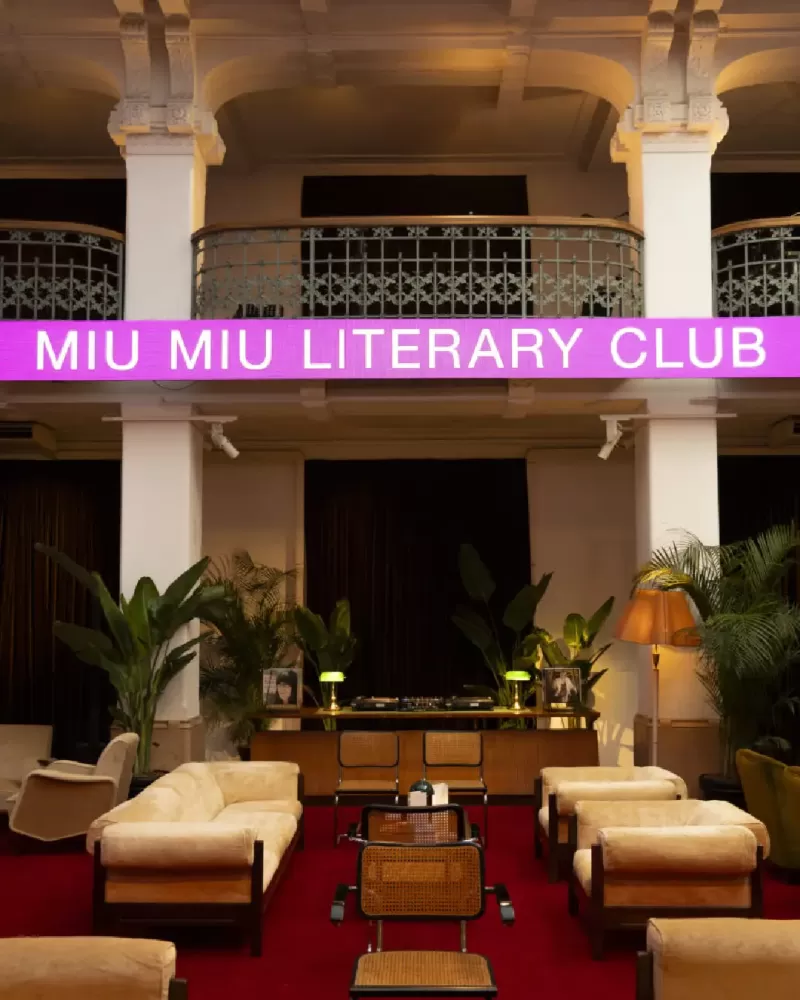
The book industry is being extremely prevalent in marketing due to brands translating their values into a broader cultural and intellectual space. The Miu Miu approach is the perfect example of creating a community of women with the power of knowledge contributing to an image of discernment and its importance in life. The luxury industry supports the aspiration of literacy being equivalent to the status of uninterrupted time. The rejection of meaningless purchases has become a recent opportunity to create conscious values into desirable identities. Hence, fashion businesses are representing their exclusivity through the association of their products to a certain intellectual universe. Literature offers this portrayal of permanence. Thereby, a label depicts more than just a brand as it creates an intimate and exclusive culture.
Consequently, the search for authenticity and heritage engages with the aesthetic of being literate. Individuals pursue a wardrobe built on timeless pieces with a cultivated style. In reference to the permanent nature of a book, luxury branding has turned a garment into a product that is culturally engaged rather than isolated. Eventually, being knowledgeable has become a fashion statement, driven by the recent desire to escape the meaningless consumption cycles that characterise contemporary society.