How Social Media Algorithms Are Changing Personal Style
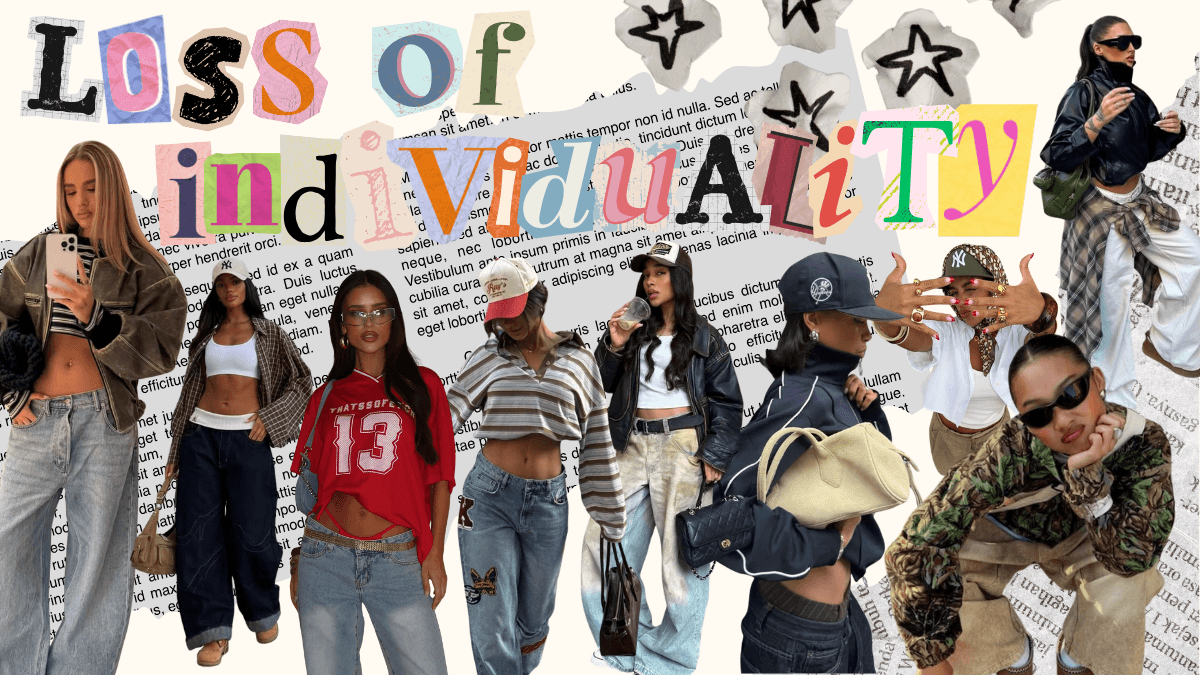
In an era where individuality is constantly celebrated online, personal style is increasingly being shaped by social media algorithms. As platforms reward recognisable aesthetics over originality, fashion risks losing the very thing that once made it powerful: self-expression.
By Jessica Moran
F
ashion has always been tied to identity. What we wear has historically reflected who we are, where we come from, what we believe in, and who we aspire to become. Yet somehow, in a time where individuality is constantly celebrated online, personal style has never felt more uniform.
Scroll through TikTok or Instagram and the same silhouettes appear repeatedly: oversized leather jackets, Adidas Sambas, slick-back buns, muted tones, carefully curated basics. The aesthetics may change names every few months — “clean girl”, “coquette”, “mob wife”, “indie sleaze” — but the formula remains the same. Fashion today no longer encourages individuality; it encourages participation.
Social media has transformed style into a performance built for algorithms rather than self-expression. Platforms reward recognisable aesthetics because familiarity performs well. The more easily an outfit fits into an existing category, the more likely it is to circulate online. As a result, fashion has become increasingly label-driven. People no longer simply dress well; they dress according to searchable identities.
The irony is that consumers now have more access to fashion than ever before. Runway collections are instantly uploaded online, trend cycles move globally within hours, and fast fashion brands reproduce designer looks almost immediately. In theory, this should create endless opportunities for experimentation. Instead, it has created a culture of visual sameness.
Subcultures once emerged organically through music scenes, politics, geography, and shared community. Punk, grunge, goth and Britpop style all carried genuine social identity behind them. Today, aesthetics are often detached from any real cultural context. They exist primarily as consumable visuals. A trend is no longer something people naturally evolve into over time; it is something assigned, packaged, and sold back to consumers through mood boards and affiliate links.
This shift has also changed the relationship between fashion and consumption. Personal style used to develop gradually through instinct, repetition, and lived experience. Now, there is constant pressure to reinvent yourself through new purchases in order to remain culturally relevant online. Trend participation has replaced style longevity.
Even luxury fashion has become increasingly affected by this cycle. Major brands now design with virality in mind, fully aware that one successful product can dominate social media within days. The line between high fashion and fast fashion has become blurred, with both industries feeding the same rapid trend machine. The result is a fashion landscape driven less by creativity and more by replication.
Perhaps this is why genuinely personal style now feels so refreshing. In an environment where everyone is encouraged to optimise themselves visually, individuality has become surprisingly rare. The most interesting dressers today are often the people resisting trend culture altogether — those wearing pieces with history, inconsistency, personality, and emotional connection rather than algorithmic approval.
Fashion will always be influenced by culture, but when style becomes entirely shaped by algorithms, it risks losing the very thing that once made it exciting: individuality.
You Might Also Like

Cherub Magazine
Subscribe to our newsletter
Conversation
Comments
Loading comments...