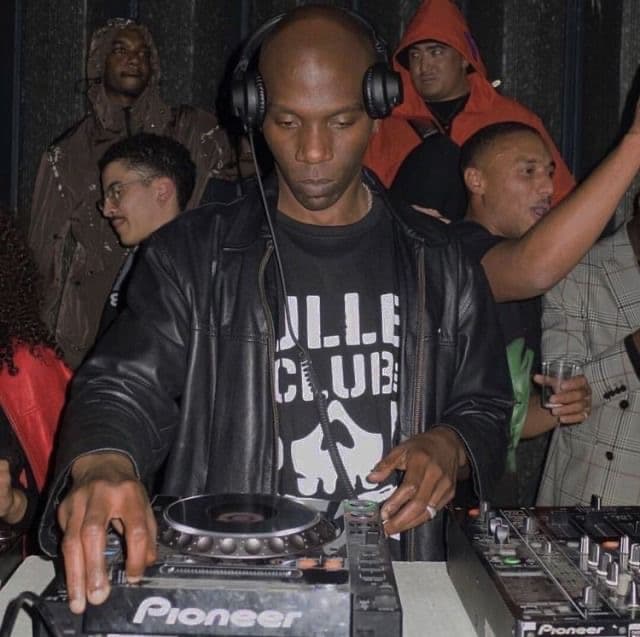
Dean Blunt and the Art of Reinvention
From Hype Williams to Babyfather, Blunt has built a career out of unpredictability, creating music that feels fragmented, mysterious, and impossible to pin down.

By Faith Eve
ean Blunt’s whole career is built on these different faces. Over the last decade, the British musician, producer, and artist has become one of the most unpredictable figures in experimental music, constantly changing styles, identities, and collaborators. Despite making music that often feels fragmented and deliberately difficult to interpret, he has still attracted a massive audience, currently reaching nearly 3 million monthly listeners on Spotify. Whether he is making lo-fi electronic music, fragmented hip-hop, spoken word pieces, or raw acoustic songs, there is always a sense that he is deliberately avoiding easy interpretation.
Blunt first started out with Hype Williams, alongside Inga Copeland. The project emerged in the late 2000s and quickly developed a cult following because of how strange and unpolished it sounded compared to most electronic music at the time The music was obscuring with drifting vocals in and out of focus and broken beats all which came together to build one complete song.
After Hype Williams, Blunt moved into solo work under his own name, and this is where his reputation as an artist really began to grow. Albums like The Redeemer revealed a more emotional and introspective side to his music.The Redeemer is pretty personal; it’s got these big emotional undercurrents. Then Black Metal flips it all, fragmented and half finished.

Cherub Magazine
Subscribe to our newsletter
Conversation
Comments
Loading comments...